Top 6 Best Friend Mobility Dog Wheelchair Reviews for 2026
When a dog starts losing strength in the rear legs—or needs support across all four limbs—the right wheelchair can make everyday movement easier and more controlled. I look for three things first: correct sizing, a stable but lightweight frame, and a harness system that supports the dog without creating unnecessary rubbing or pressure.
For these 2026 Best Friend Mobility dog wheelchair reviews, I focused on models covering small through extra-large dogs, rear-support needs, and full-body mobility assistance. A wheelchair should always be fitted carefully, and dogs with significant orthopedic or neurological problems should ideally have their fit and exercise plan reviewed by a veterinarian or canine rehabilitation professional.
Quick Summary
This guide is mainly for owners of dogs dealing with hind-leg weakness, arthritis, injury recovery, degenerative conditions, amputations, or more extensive mobility limitations.
For dogs that still have good front-leg strength, I generally prefer an adjustable two-wheel rear-support cart because it is lighter and simpler than a four-wheel system. Dogs with weakness affecting the front and rear limbs may need full support instead.
My top overall recommendation is the Best Friend Mobility Rear Support Wheelchair 2.0 Large. Its adjustable aluminum frame, padded harnesses, puncture-resistant wheels, and tool-free design make it one of the most practical choices for a large dog that still has adequate front-leg strength. Best Friend Mobility
Top Product List
- Best Friend Mobility Rear Support Wheelchair 2.0 Large — Best Overall
- Best Friend Mobility PRO Dog Wheelchair Medium-XL — Best Value
- Best Friend Mobility Quad 4-Wheel Full Support Dog Wheelchair Small — Best for Full-Body Support
- Best Friend Mobility Medium Dog Wheelchair — Best for Medium Dogs
- Best Friend Mobility Small Dog Wheelchair — Best for Small Dogs
- Best Friend Mobility X-Large Dog Wheelchair PRD-XL — Best for Extra-Large Dogs
Top 6 Best Friend Mobility Dog Wheelchair Reviews for 2026
Best Friend Mobility Rear Support Wheelchair 2.0 Large
Short Description
This rear-support wheelchair is designed for larger dogs that need help supporting their hindquarters but retain normal front-leg strength. I particularly like the updated 2.0 design for owners who want straightforward adjustments and fewer tools during setup.
Key Specifications
- Lightweight adjustable aluminum frame
- Adjustable height, length, and width
- Improved width adjustment
- Padded front and rear harnesses
- Steel connecting clips
- Dense, puncture-resistant all-terrain wheels
- Tool-free assembly and disassembly
- Intended for dogs with adequate front-leg strength Best Friend Mobility
Pros
- Highly adjustable for different body proportions
- Lightweight frame reduces unnecessary load
- Padded harnesses help distribute support
- Puncture-resistant wheels suit varied surfaces
- Convenient tool-free adjustments
Cons
- Proper measuring and fitting still require care
- Rear-support design is inappropriate for significant front-leg weakness
My Experience
What stands out to me is the balance between adjustability and everyday convenience. Tool-free knobs are useful when a first fitting needs several small corrections, and the lightweight aluminum construction should be easier to manage than an unnecessarily heavy frame.
I would spend extra time getting the height and harness tension right rather than assuming the first adjustment is correct.
What Other Buyers Say
Feedback surrounding Best Friend Mobility rear-support carts commonly highlights the positive effect of restoring outdoor movement and independence. At the same time, wheelchair users frequently emphasize that accurate sizing and patient setup make a major difference to the experience. 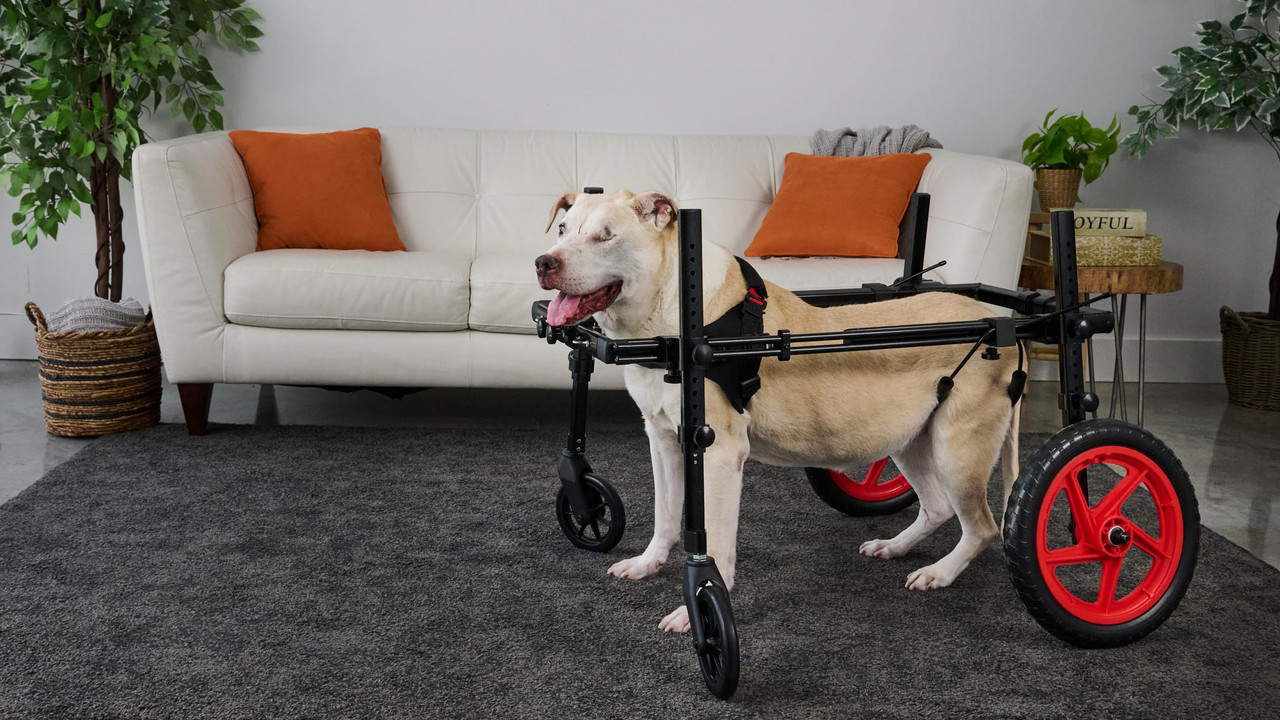 Grey & Gentle
Best For
Large dogs with rear-leg weakness that can still support themselves normally with their front legs.
➡️➡️➡️ Explore User Feedback and Current Pricing on Amazon
Best Friend Mobility PRO Dog Wheelchair Medium-XL
Short Description
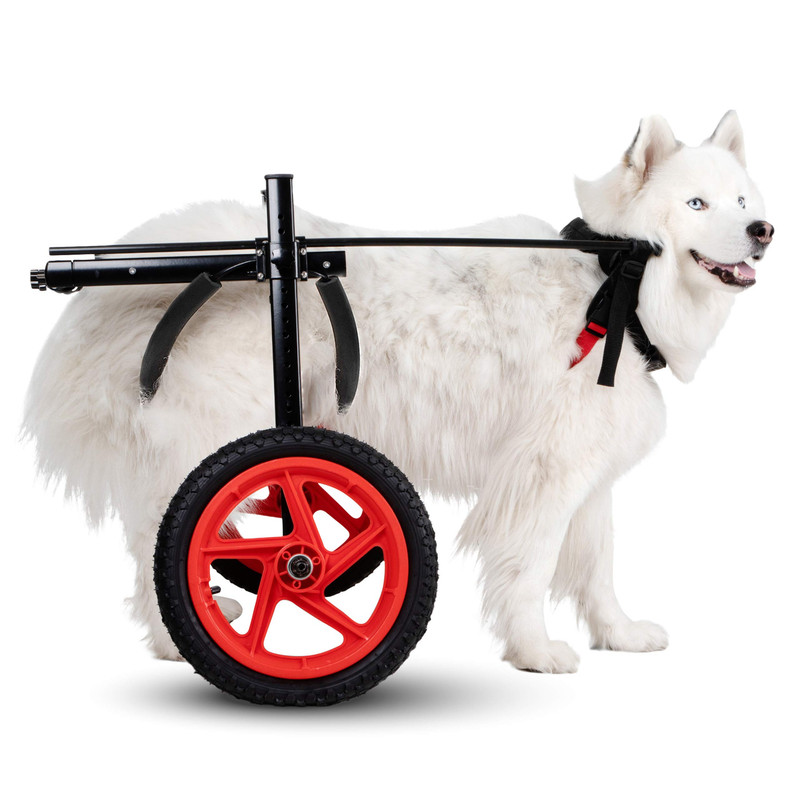
The PRO is an adjustable rear-leg mobility cart offered across medium-to-XL sizing. It makes sense for owners prioritizing supportive harnessing and a relatively lightweight mobility system.
Key Specifications
- Medium through XL sizing
- Rear-leg support design
- Adjustable frame
- Lightweight construction using aluminum and reinforced materials
- Neoprene shoulder harness
- Padded shoulder support
- Double rear-leg harness
- All-terrain wheels
 Thomas Acres
Pros
- Broad sizing range
- Padded contact points
- Suitable for rear-leg mobility assistance
- All-terrain wheel design
- Good combination of features and price
Cons
- Assembly and fitting are required
- Owners of unusually proportioned dogs should check adjustment ranges carefully
My Experience
I see the PRO as a sensible middle-ground choice. The padding matters because harness contact points can determine whether a wheelchair remains comfortable during repeated use.
The important part is resisting the temptation to choose only by body weight. I would measure the dog exactly as directed before ordering.
What Other Buyers Say
Published product comparisons consistently praise the PRO for its supportive neoprene harnessing and value relative to more expensive mobility carts. A recurring caution is the need to assemble and adjust it accurately before use. Thomas Acres
Best For
Owners looking for a versatile rear-support wheelchair without moving straight into the highest-priced options.
➡️➡️➡️ Explore User Feedback and Current Pricing on Amazon
Best Friend Mobility Quad 4-Wheel Full Support Dog Wheelchair Small
Short Description
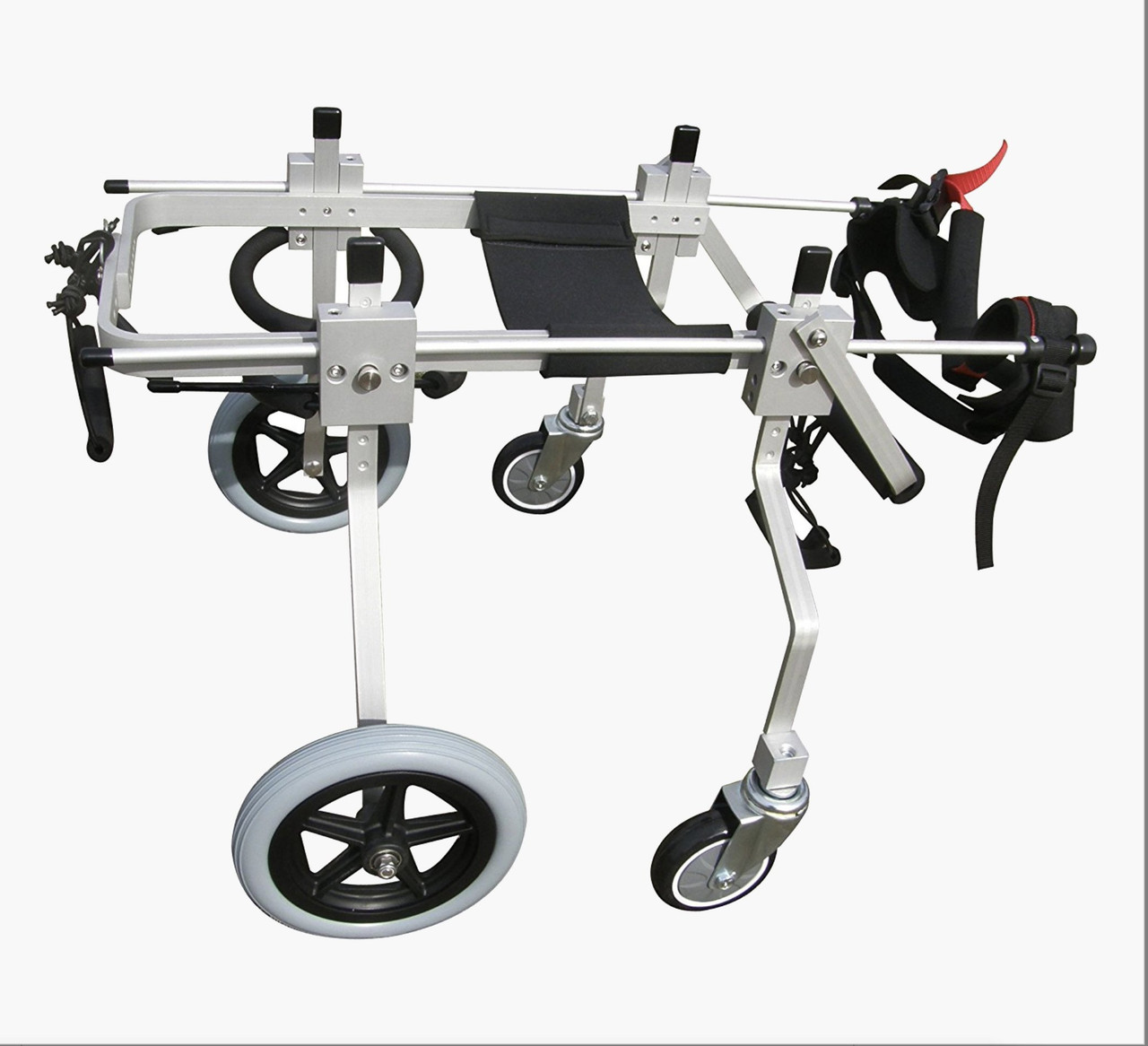
Unlike a typical rear-support wheelchair, this four-wheel cart is designed to assist dogs requiring support in both the front and rear. That makes it the most specialized option in this roundup.
Key Specifications
- Four-wheel full-support configuration
- Lightweight rust-resistant aluminum frame
- Stainless-steel hardware
- Adjustable height, length, and width
- Neoprene front and rear harnesses
- Paw slings
- Polyurethane all-terrain wheels with sealed bearings
 Desertcart
Pros
- Supports both front and rear portions of the body
- Highly adjustable frame
- Lightweight metal construction
- All-terrain wheels
- Useful for dogs whose limitations extend beyond the hind legs
Cons
- More complicated than a two-wheel cart
- Correct assembly and fitting can take patience
- Buyer feedback includes sizing and setup complaints
My Experience
A quad wheelchair is not something I would choose simply because four wheels sound more stable. Its advantage is specifically for a dog that needs additional front-body support.
With more harness points and adjustments, careful fitting becomes even more important. I would also introduce a dog to it gradually rather than expecting immediate confident movement.
What Other Buyers Say
Feedback is noticeably mixed. Some owners report that the cart finally allowed dogs with severe weakness to move successfully, while others have complained about difficult assembly, sizing problems, and harness hardware. Those comments reinforce why professional fit checking can be worthwhile with a full-support cart. Desertcart
Best For
Small dogs with weakness or disability affecting the front limbs as well as the hind limbs.
➡️➡️➡️ Explore User Feedback and Current Pricing on Amazon
Best Friend Mobility Medium Dog Wheelchair
Short Description
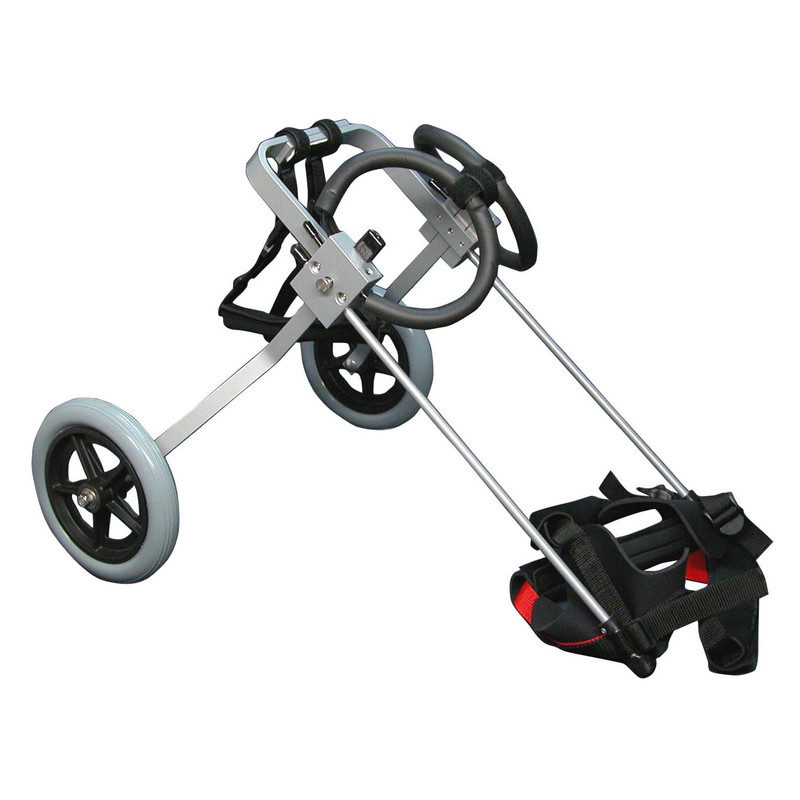
This is a traditional rear-leg support option for medium-size dogs. It is intended to take pressure off weakened hind limbs while allowing a dog with good front-leg strength to continue walking.
Key Specifications
- Lightweight adjustable aluminum frame
- Stainless/non-rust hardware
- Neoprene front and rear harnessing
- Adjustable height, length, and width
- Polyurethane all-terrain wheels with sealed bearings
- Clip-on front harness system
- Can support assisted walking or full rear-leg unloading Best Friend Mobility
Pros
- Three-way adjustability
- Lightweight frame
- Comfortable harness materials
- Suitable for indoor and outdoor mobility
- Straightforward rear-support concept
Cons
- Requires accurate measurement
- Not intended to compensate for substantial front-leg weakness
My Experience
For a medium dog, I like the simplicity of this style. There are fewer components than on a quad cart, and the dog supplies propulsion with the front legs.
I would monitor the harness area closely during initial sessions and make incremental adjustments if the dog looks uneven or uncomfortable.
What Other Buyers Say
The most consistent positive theme around Best Friend Mobility's conventional rear carts is restored walking ability from a relatively light frame. Fit remains the biggest variable, especially when a dog's proportions do not match typical breed dimensions.
Best For
Medium-size dogs with hind-leg weakness but functional, stable front legs.
➡️➡️➡️ Explore User Feedback and Current Pricing on Amazon
Best Friend Mobility Small Dog Wheelchair
Short Description
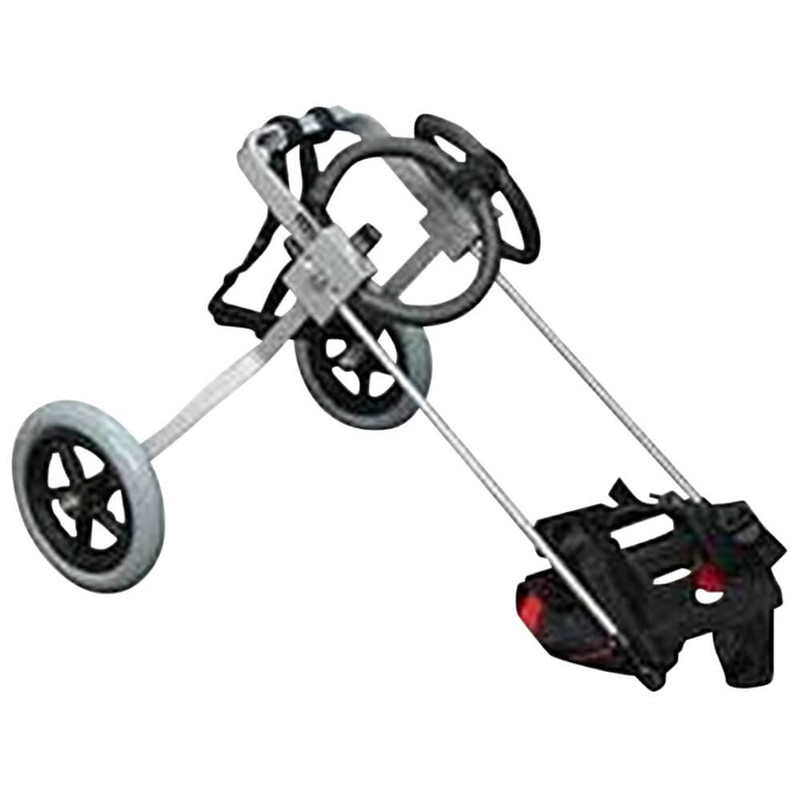
This smaller rear-support cart brings the same basic wheelchair approach to compact dogs. Its lightweight adjustable construction is particularly useful because excessive equipment weight can be more noticeable on a small pet.
Key Specifications
- Adjustable non-rust aluminum frame
- Stainless/non-rust hardware
- Neoprene front and rear harnesses
- Adjustable height, length, and width
- Polyurethane wheels with sealed bearings
- Clip-on front harness arrangement Best Friend Mobility
Pros
- Lightweight construction
- Multiple adjustment points
- Supportive harness system
- Designed specifically around smaller dogs
- All-terrain wheel construction
Cons
- Measuring is essential despite the “small” designation
- Setup may require several fit adjustments
My Experience
I would never order this model based on the word “small” alone. A dog's hindquarter height and proportions matter more than a general breed label.
Once properly adjusted, however, the lightweight construction is exactly what I want to see in equipment a small dog has to move repeatedly.
What Other Buyers Say
The manufacturer's small-cart design receives attention for its straightforward adjustable frame and supportive harnessing. Across dog-wheelchair feedback generally, owners who measure carefully tend to report better fitting experiences than those relying primarily on weight or breed assumptions. Best Friend Mobility
Best For
Smaller dogs needing rear-leg assistance while maintaining good front-leg function.
➡️➡️➡️ Explore User Feedback and Current Pricing on Amazon
Best Friend Mobility X-Large Dog Wheelchair PRD-XL
Short Description
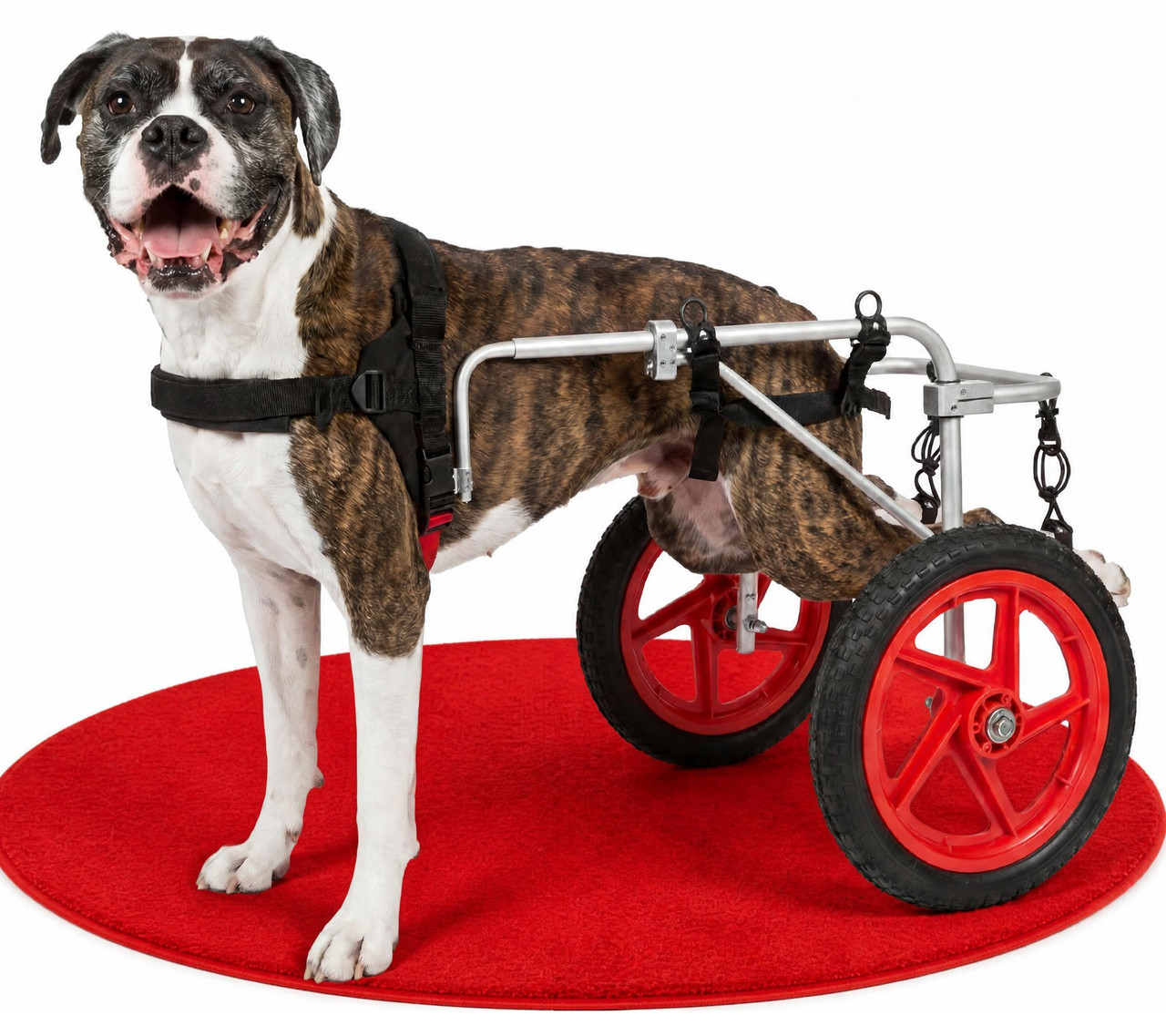
The PRD-XL is the option I would investigate for an extra-large dog whose hindquarters need mobility support. With very large dogs, frame stability and correct geometry become especially important.
Key Specifications
- X-large configuration
- Rear-support wheelchair design
- Adjustable mobility-cart format
- Intended for hind-leg assistance
Pros
- Purpose-built option for larger body sizes
- Rear-support configuration keeps the front end relatively unrestricted
- Adjustable design helps refine fit
Cons
- Large carts require more room for turning and storage
- Precise sizing is especially important with heavy dogs
My Experience
With an extra-large dog, I would prioritize fit over every other consideration. Even a sturdy cart becomes awkward if the wheel position, height, or harness placement is wrong.
I would also check doorway clearance and the surfaces the dog will regularly use before making this the everyday mobility setup.
What Other Buyers Say
Feedback on larger mobility carts generally favors adjustable frames because they can be tuned to the individual dog. Common frustrations across large-dog wheelchairs include the time required for fitting and the extra width created by the wheels.
Best For
Extra-large dogs that retain front-leg strength but require substantial hindquarter support.
➡️➡️➡️ Explore User Feedback and Current Pricing on Amazon
How to Choose the Right Pet Product
Start with measurements, not breed assumptions. Best Friend Mobility specifically emphasizes hind-leg height when determining wheelchair sizing, and an accurate measurement helps establish the correct working height of the frame. Best Friend Mobility
Consider your dog's remaining strength as well. A two-wheel rear-support wheelchair assumes the front legs can provide propulsion and stability. A dog with weakness in all four limbs may need a quad-support system instead.
Frame material matters because the dog has to move the cart. Lightweight aluminum is common in these models because it provides useful strength without excessive mass.
Next, evaluate adjustability. Height, length, and width controls are particularly helpful for dogs whose proportions fall between typical sizes.
Harness comfort deserves equal attention. Check contact areas frequently during the first sessions for shifting, rubbing, redness, or pressure.
Finally, consider where the wheelchair will actually be used. Larger wheels and all-terrain designs are useful for lawns and uneven paths, while overall wheelchair width matters for doorways, furniture, vehicles, and storage.
FAQs
1. How do I measure my dog for a Best Friend Mobility wheelchair?
Measure carefully according to the sizing instructions for the exact model. Best Friend Mobility emphasizes the distance from the floor to the dog's back around the hindquarters as a key sizing measurement. Best Friend Mobility
2. Can a dog use a rear-support wheelchair if its front legs are weak?
Usually, a standard rear-support cart requires functional front-leg strength because the dog uses those legs for movement and steering. Dogs with significant front-limb weakness may be better candidates for a four-wheel full-support cart after professional assessment. Best Friend Mobility
3. Can dogs go to the bathroom while wearing a wheelchair?
Properly fitted rear-support carts are designed so dogs can remain supported while relieving themselves. Correct harness positioning is important. Best Friend Mobility
4. Is a four-wheel wheelchair better than a two-wheel model?
Not automatically. Two-wheel carts are appropriate when the dog's front legs remain strong. Four-wheel systems are primarily useful when additional front-body support is necessary.
5. How long does it take a dog to get used to a wheelchair?
There is no universal adjustment period. Some dogs begin moving readily, while others need gradual, short sessions. Proper fit, positive introduction, the dog's physical condition, and professional rehabilitation guidance can all influence adaptation.
Conclusion
For most large dogs with good front-leg strength, my Best Overall pick is the Best Friend Mobility Rear Support Wheelchair 2.0 Large because its adjustable frame, padded harness system, puncture-resistant wheels, and convenient updated hardware make it a well-rounded mobility solution.
My Best Value choice is the Best Friend Mobility PRO Dog Wheelchair Medium-XL, particularly for owners who want supportive harnessing and multiple size options without immediately moving to a more specialized full-body cart.
For the Best Premium Choice, I would choose the Best Friend Mobility Quad 4-Wheel Full Support Dog Wheelchair Small when a dog genuinely requires support at both ends of the body.
Whichever Best Friend Mobility dog wheelchair fits your situation, I would put measurement and correct fitting ahead of price or appearance. The best wheelchair is the one that matches your dog's size, remaining strength, medical needs, and everyday environment.